

WSME Segmentation Report, Framework And Toolkit
This Toolkit, which accompanies the Women-owned/led Small and Medium Enterprise(WSME) Segmentation Report, provides a step-by-step guide, enabling local financial intermediaries to develop customized lending and financial products that align with the specific needs of each WSME segment, funders to assess risk and allocate funding to support high-potential WSMEs, and business support organizations (BSOs) to design tailored programs that address challenges specific to each segment. This practical resource includes guides and downloadable tools across six robust steps: to scan the enabling environment surrounding WSMEs, conduct WSME customer segmentation and market analysis, assess the demand among WSMEs for financial and non-financial services, design financial and non-financial products and services, and quantify the market opportunity and business case.
ACCESS THE REPORT BELOW


ConsumerCentriX attends Nigeria's 2024 International Financial Inclusion Conference.
ConsumerCentriX participated in Nigeria’s 2024 International Financial Inclusion Conference (#IFIC2024), organized by the Central Bank of Nigeria, which took place on November 12-13 at the Landmark Event Centre in Lagos. This year’s conference theme, “Inclusive Growth: Harnessing Financial Inclusion for Economic Development,” brought together over 2,000 participants from 78 countries, including global thought leaders, industry practitioners, and influential stakeholders
The conference agenda featured dynamic plenaries, roundtables, and exhibitions showcasing innovations that advance financial access and address critical topics such as gender-inclusive finance, MSME financing, and digital financial solutions.
As a key contributor to the event, Anna Gincherman, Partner at ConsumerCentriX, spoke in the session “Powering Nigeria’s Inclusive Growth through MSMEs.” Drawing on ConsumerCentriX’s global expertise, Anna highlighted the importance of leveraging data to build effective financial solutions for micro, small, and medium-sized enterprises (MSMEs), focusing on women-led businesses.
Beyond Anna’s session, ConsumerCentriX celebrated significant milestones during the week:
- Launching the Women’s Financial Inclusion Dashboard: Together with the Central Bank of Nigeria and the Nigeria Inter-Bank Settlement System PLC (NIBSS), ConsumerCentriX unveiled the Women’s Financial Inclusion Dashboard. This innovative data portal offers granular, up-to-date information on access and usage of financial services in Nigeria. Work is now underway to expand the portal with sex-disaggregated SME data, expected by the end of November. Visit the dashboard at www.wfid.ng.
- Onboarding Signatories to the WE Finance Code: Following the launch of the Women Entrepreneurs Finance Code (WE Finance Code), ConsumerCentriX, in collaboration with the Central Bank of Nigeria and the World Bank, co-led a workshop to onboard more than 30 signatories of the WE Finance Code, including 12 leading banks. This initiative emphasized the responsibilities and benefits of joining the Code, including capacity-building opportunities and peer learning programs presented by the Financial Alliance for Women.
- Collaborative Dialogues: ConsumerCentriX contributed to rich discussions during #IFIC2024, sharing insights on leveraging data to create impactful SME solutions. The event provided an opportunity to reconnect with colleagues and industry pioneers who continue to drive digital financial inclusion and innovation in Nigeria.
ConsumerCentriX is committed to fostering inclusive growth and supporting initiatives empowering MSMEs and underserved segments including, WMSMEs globally.
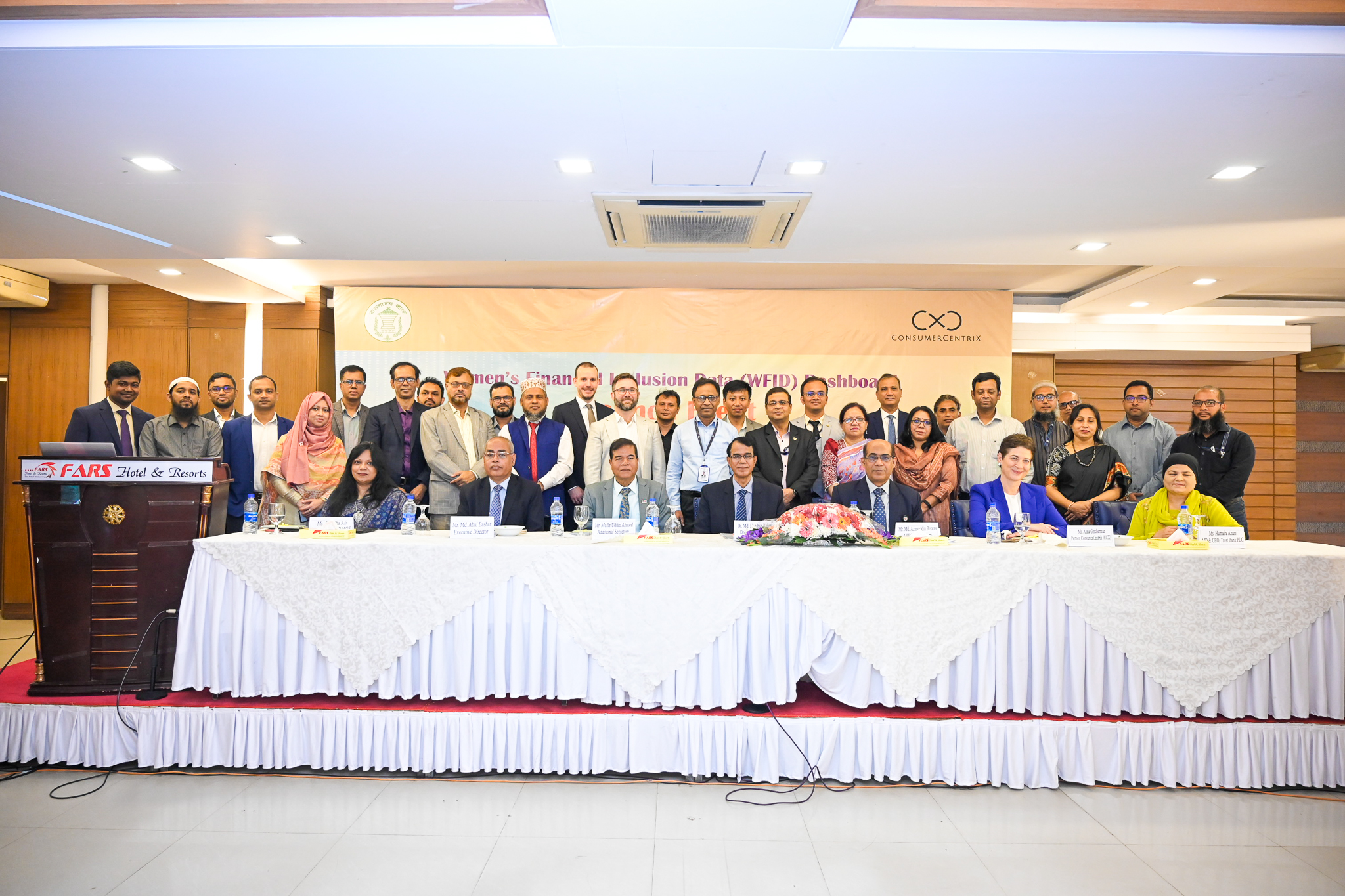
ConsumerCentriX and Bangladesh Bank Launch the Women's Financial Inclusion Data Dashboard
ConsumerCentriX and Bangladesh Bank co-hosted the launch event of the Women’s Financial Inclusion Data Dashboard, which had been developed in collaboration with the Financial Alliance for Women.
The event was inaugurated by Mr. Md. Abul Bashar, Executive Director of Bangladesh Bank, and saw the participation of over 100 stakeholders from Bangladesh’s financial services sector, including financial service providers, regulators, and development finance institutions.
In a keynote address, the Deputy Governor of Bangladesh Bank, Md. Habibur Rahman, PhD highlighted the importance of the the WFID dashboard’s vital role in facilitating informed policy-making and driving large-scale, impactful financial industry initiatives to enhance women’s financial inclusion in Bangladesh. Following the keynote, Mr Mofiz Uddin Ahmed, Additional Secretary from the Finance Division, Ministry of Finance, stressed the critical contribution of the microfinance sector to reaching women, especially in rural areas.
Shahana Ferdousi of the National Financial Inclusion Strategy Administrative Unit at Bangladesh Bank, István Szepesy, and David Taylor of ConsumerCentriX presented the content and key features of the dashboard.
The WFI Data Dashboard is designed to represent the landscape of women’s financial inclusion in Bangladesh utilizing data collected by BangladeshBank, which has been publicly available but fragmented in multiple independent data sources and files. The dashboard now collects and combines all relevant information in one place with easy-to-navigate functionality.
The formal launch was followed by a panel discussion titled “Sex-disaggregated Data to Promote Women’s Financial Inclusion in Bangladesh,” moderated by Anna Gincherman, partner at CCX. Snigdha Ali from the Bill & Melinda Gates Foundation, Azimuddin Biswas, Additional Secretary from the Finance Division, Ministry of Finance, Government of Bangladesh, and Humaira Azam, CEO of Trust Bank Limited, discussed how financial service providers and policymakers are using data to drive women’s financial inclusion efforts in Bangladesh.
We extend our deepest gratitude to Bangladesh Bank, our co-host, and all the participants who contributed to making the event a resounding success.
Clemence Mukashema's Journey from Running a Small Hardware Shop to Owning a Manufacturing Factory
Date:
March 20th, 2024
Area Covered:
Africa • Rwanda
Topics:
Financial Inclusion • Women’s Financial Inclusion • Micro, Small and Medium Enterprises (MSMEs)
Globally, women entrepreneurs encounter numerous barriers when seeking access to finance, ranging from discriminatory lending practices to limited collateral options. In many societies, well-established gender biases and cultural norms perpetuate inequalities, thus significantly limiting women’s economic opportunities. Despite demonstrating better payment rates on loans, women often find themselves overlooked or subjected to unfavourable terms by financial institutions. However, investing in women as entrepreneurs presents a unique opportunity for financial institutions. Women-led businesses have shown resilience and a propensity for growth, contributing significantly to economic development and job creation, representing over 52% of the total MSMEs in the country. Moreover, studies have consistently demonstrated that women tend to reinvest a higher portion of their earnings into their families and communities, thus amplifying the positive impact of financial inclusion.
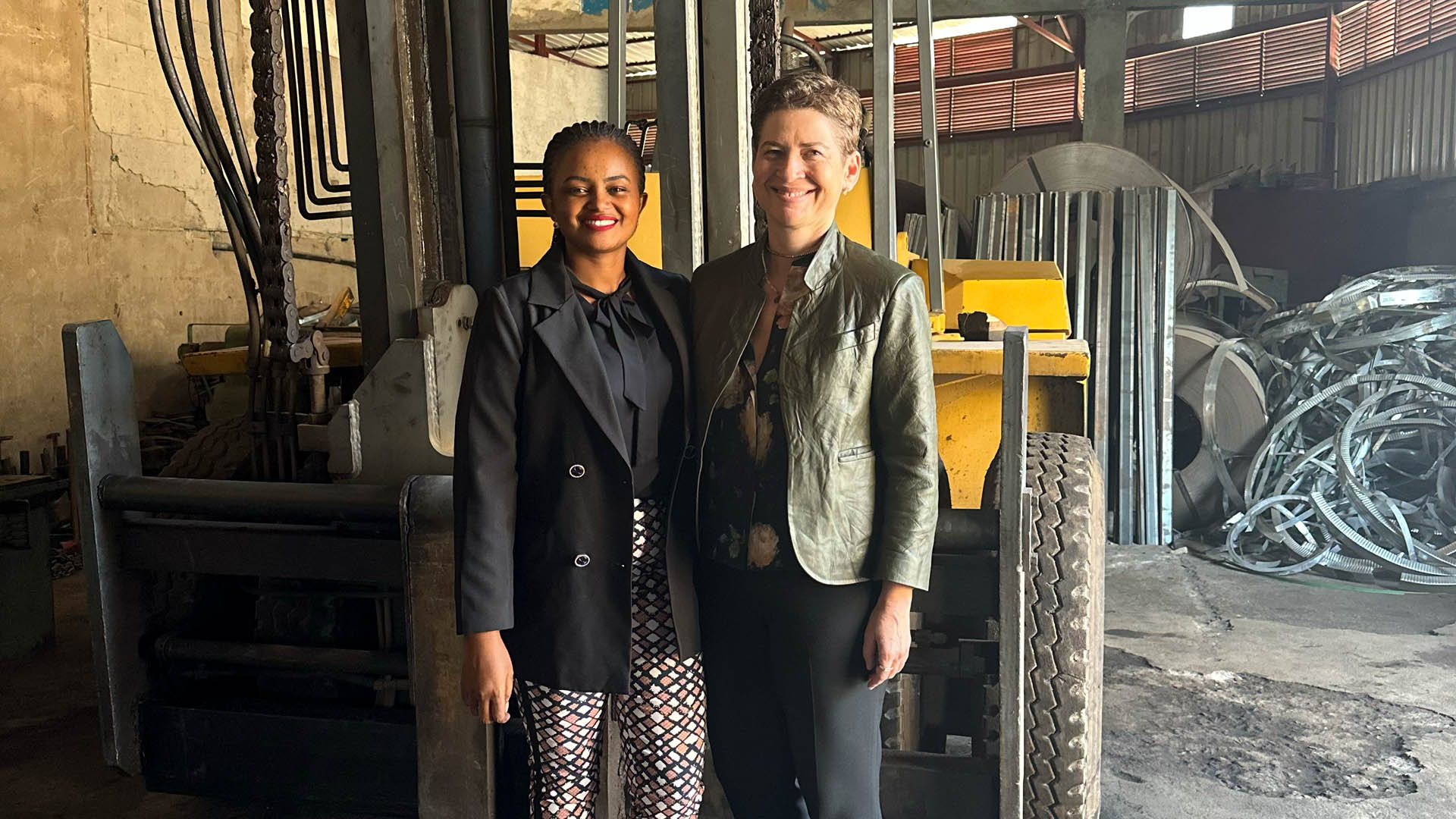
While conducting a research study about women’s micro, small, and medium businesses in Rwanda, ConsumerCentriX spoke to Clemence Mukasimana, a BPR Bank client who runs a small manufacturing factory producing construction and plumbing materials.
At 40, Clemence is a testament to the indomitable spirit of entrepreneurship. Married and a mother of two, Clemence’s journey is marked by resilience, determination, and a commitment to rewriting the narrative for women in business.
Clemence’s venture into entrepreneurship was fueled by her background in business administration and years of experience as a financial accountant. In 2016, she founded a small hardware shop with a vision of it serving as not only a means of livelihood but also a platform for empowerment and change. Her business acumen and unwavering dedication saw her enterprise flourish. Today, she stands at the helm of a mini-factory, churning out high-quality construction materials like gutters and door frames, catering to Rwanda’s flourishing construction sector and harnessing an annual turnover of over 1 billion RFW.
But Clemence’s journey wasn’t devoid of challenges. Motivated to escape the mistreatment she faced in her former job and inspired by a friend’s entrepreneurial passion, she utilized a less common business strategy. “I adopted a growth mindset,” she reflects, ” and switched from selling products I bought for my hardware shop to producing them myself. This drastically increased my profits.”
However, she realized her vision required more than just determination—she needed access to financial services. Clemence’s journey underscores financial institutions’ crucial role in empowering aspiring entrepreneurs, specifically women. With initial capital from her savings, support from her family and a crucial loan from BPR Bank, she moved towards fulfilling her entrepreneurial dreams. “The first bank I contacted had very high-interest rates, so I went to BPR Bank”, she recalls. Discovering BPR Bank with its lower rates was a game-changer for her.”
Despite her success in accessing finance, Clemence acknowledges the challenges concerning business development services. She emphasizes the importance of holistic support, including international trade fairs, business forums and training programs, to nurture the entrepreneurial ecosystem.
Beyond her business pursuits, Clemence remains steadfast in securing both her family’s future and saving for her children’s education. Looking ahead, Clemence plans to expand her business and relocate to Rwanda’s industrial hub: the Kigali Special Economic Zone. Her journey highlights how entrepreneurship can be transformative, underscoring the crucial role of access to finance in unleashing limitless potential.
(CLOSED) Job Opening / Morocco, Project Manager
Location: Remote (Work from home), Morocco
Type of involvement: Open Contract
Are you a skilled professional with at least a bit of project management experience but most of all good energy, diligence, a talent for coordinating people and activities, and a passion to achieve positive impact in Morocco? If you are looking for a multi-cultural and fast-paced working environment where you can gain hands-on exposure with some of the country’s leading organizations and the topics that are at the heart of Morocco’s development, then this is the place for you! At ConsumerCentriX (CCX), there are endless opportunities for our staff to develop the right skills to take on some of the world’s toughest challenges. To this end, we are looking for a highly driven and motivated Project Manager to join the CCX team.
Who we are:
CCX Inclusive Business is a strategy consulting firm, based in Geneva, Switzerland, that works with financial service providers and policymakers on translating consumer insights into market strategies and policies to reach the un/underserved. Our mission is to develop scalable solutions that are based on deep insights into the lives, needs, and constraints of un/underserved people in emerging markets to improve their livelihoods and create opportunities for economic growth. To accomplish this mission, we focus on Entrepreneurship and SME Development, Inclusive Finance (including gender-intelligent finance), and Policy Dialogue and Regulation. We are a young and growing company with international partners and staff working in fast-paced and often changing environments. We have delivered over 60 projects reaching more than 8 million previously unbanked clients in both the largest emerging markets and the poorest landlocked countries. CCX has worked on projects in and about Morocco since 2016 in both research, analysis and implementation of inclusive business offers to help the country achieve sustainable development. In our work we collaborate with international stakeholders as well as with leading Moroccan businesses, government and civil society – and ambitious Moroccan entrepreneurs seeking to build the country’s future. CCX is passionately committed to equal opportunities, and we encourage you to apply you if you are eager to be judged on merit and feel conventional employers in Morocco may not offer you this chance.
Your profile – who we need:
We are seeking a Project Manager to join our dynamic team. The ideal candidate will have a background in project management, and ideally have already worked either in the context of the financial sector, development or entrepreneurship . Previous experience with international funders is an advantage.
Key Responsibilities:
• Manage and oversee various projects from inception to completion.
• Support the CCX leadership in effectively guiding projects and liaising with the relevant stakeholders
• Assist in coordinating teams of international and local experts
• Collaborate with international funders on development programs.
• Support entrepreneurship initiatives within the organization.
Qualifications and professional abilities:
• Proven experience in Project Management.
• Mastery of standard methodologies and IT tools for planning, supervising, coordinating and reporting on project activities
• Timeliness and diligence in conducting all professional activities
• Ability to produce concise written output in English and French
• Teamwork and effective communication with a diverse set of colleagues
• Courteous and professional written and verbal communication with executives and staff at large business or public sector organization
• Completed academic education at Bachelor or Masters level
An advantage:
o Experience with financial services industry (banks, microfinance, fintechs) o Experience working on development programs or with international funders
o Previous work in the field of Entrepreneurship support.
Language Skills:
• Full professional proficiency in English and French is required.
• Knowledge of Arabic and/or Tamazight plus any other language is an advantage.
WHAT WE OFFER
• Global company filled with industry-leading experts.
• Professional development opportunities with a leading organization in the field of inclusive business / inclusive finance with operations around the world.
• Competitive remuneration
• Location flexibility: work from home/remotely, located in Morocco.
If you are a driven, organized individual with a passion for project management and entrepreneurship, we would love to hear from you. Apply today! Interested candidates are encouraged to apply with a resume and cover letter by submitting it to jobs@consumercentrix.ch

Generating a Gender-Inclusive Finance Roadmap for Latin America and the Caribbean.
Author:
ConsumerCentriX Project Team
Date:
November 22nd, 2023
Area Covered:
Latin America • Caribbean
Topics:
Financial Inclusion • Women’s Financial Inclusion • Micro, Small and Medium Enterprises (MSMEs) • Financial Regulation • Research
ConsumerCentriX (CCX), in partnership with the Alliance for Financial Inclusion (AFI), is working to develop a gender-inclusive finance (GIF) roadmap for AFI member countries in the Latin America and Caribbean (LAC) region. The project seeks to address the lack of systematic review of practical policy actions that AFI members in the LAC region can undertake to increase women’s financial inclusion and reduce their gender gaps.
With extensive experience from working with AFI on two projects, part of the AFI Gender Inclusive Finance Workstream, the CCX team, led by Partner Anna Gincherman, will undertake three primary tasks, including:
- Assessing the state of financial inclusion in the LAC region, highlight the significant milestones, targets, and drivers for women’s financial inclusion
- Identifying key barriers and opportunities to women’s financial inclusion in the LAC region
- Identifying main areas of focus for regulators and implementation initiatives in the LAC region based on the best practices and the region’s own unique needs
Through extensive secondary and primary research, the CCX team will develop a GIF landscape report for the LAC region covering the main barriers and opportunities for women’s financial inclusion, with recommendations and an implementation plan based on the key findings from the research.

AFI Policy Toolkit • Blog: A guide to designing Gender-Sensitive Rapid Response and Crisis Recovery Policies
Author:
Benedikt Wahler, Partner
Date:
October 10th, 2023
Area Covered:
Global
Topics:
Financial Inclusion • Women’s Financial Inclusion • Micro, Small and Medium Enterprises (MSMEs) • Financial Regulation • Crisis Response • Resilience Building • Research
Are financial inclusion and the promotion of gender equity “fair weather topics”? How should policymakers set their priorities when a fast-moving crisis fraught with uncertainty and large downside risks requires their full attention, as the COVID-19 pandemic did?
“Actually, weaving a focus on women and their financial inclusion into the design of crisis response is likely to be a force multiplier rather than a distraction”. This is how ConsumerCentriX (CCX) Partner Benedikt Wahler summarizes the team’s research on behalf of the Alliance for Financial Inclusion (AFI), a network of central banks and other financial regulatory institutions from 76 developing countries. Home to the majority of the un- and underbanked, such questions matter a lot to the welfare of these member countries.
The global pandemic confronted policymakers with large-scale and fast-moving disruption. In turn, it also provides a wealth of experiences that this assignment of CCX sought to extract and assess. Over the summer of 2023, AFI shared these in a Special Report “Closing the Financial Inclusion Gender Gap During the Crisis and Afterwards”.
These insights draw upon deep-dive research, interviews with decision-makers and stakeholders, and a survey of more than a third of AFI members facilitated by the Gender Inclusive Finance (GIF) Team at AFI led by Helen Walbey and undertaken by the CCX team as the pandemic evolved over the course of 2021 and 2022. A set of five country case studies draws attention to how large emerging markets like Egypt and small ones like Paraguay or Fiji have been able to effectively respond to this massive crisis with the focus provided by a gender lens and financial inclusion policy.
These experiences should serve as inspiration and provide policymakers with a sense of possibility. But what should executives at central banks or regulatory agencies actually be doing during the next crisis – or even now?
To help provide such guidance, AFI published the “Gender-Sensitive Rapid Response and Crisis Recovery Policies” policy toolkit – a comprehensive guide for policymakers, practitioners, and development partners on designing and implementing gender-sensitive rapid response and crisis recovery policies.
Globally, 740 million women are excluded from financial sector services, and their inclusion could add approximately USD 12 trillion to the global domestic product. This is a vast untapped market for the financial sector. Taking evidence from the experiences of AFI members as expressed in the Special Report, gender-inclusive finance policies can reverse the previously widening gender inequality or access gaps. Besides the additional economic impact, benchmarking policymaking against the realities and constraints of women can strengthen economic stability and growth through improved women’s access to formal financial services, leading to positive outcomes for families and communities. And actually, this approach ends up working better also for many men. This strength of gender-inclusive finance at the center of the policy toolkit is highlighted by what outcomes various shades of gender-inclusive financial policy are likely to deliver – as illustrated in the toolkit here.
Gender-neutral policy designs are often benchmarked by the realities of men, and as a result, they only work for a minority of relatively privileged women. They do not consider the needs and constraints of the average female. The resulting policies or financial offers do not even work well for many men. Gender-intelligent or gender-intentional solutions start by setting the average woman and her constraints as a guideline, and they stand a good chance of adequately serving a majority of women. Gender-transformational policy design explicitly explores the intersectionality of challenges faced by the minority of excluded and marginalized women, and such policy solutions may often require more fundamental interventions.
In disruptions like the COVID-19 pandemic, rapid response and crisis recovery policies that are charged by the power of gender-sensitive design are needed – the AFI Policy toolkit offers three main tools for developing these. The first toolkit explores the role of stakeholders in crisis response. Stakeholders such as donors, ministries and civil society organizations are likely to have networks related to vulnerable groups, and they can help communicate and mobilize interest for interventions in terms of crisis. The second toolkit offers a benchmarking tool for policymakers’ country’s context for gender-inclusive finance. The Excel-based tool developed by ConsumerCentriX allows policymakers to assess the context and baseline necessary for embedding crisis response, recovery and broader financial inclusion policies for AFI members and other stakeholders. The third toolkit explores gender-inclusive crisis response strategies that can be employed depending on the crisis response phase the country is on. These include:
- Fast-paced “fire fighting”
- Enabling recovery
- Building back better for resilience.
Overall, the toolkit provides a valuable resource that enables practitioners at central banks and financial sector regulators, as well as their peers at government ministries to design gender-inclusive financial policies that address barriers to financial inclusion for the majority of vulnerable segments, including women while also allowing them to collect wider sets of data and inputs for improving existing policies and putting in place strategies for future crisis response.
Learn more: AFI Policy Toolkit “Gender-Sensitive Rapid Response and Crisis Recovery Policies

The Role Regulators Play in Closing the Financial Inclusion Gender Gap
Author:
ConsumerCentriX Project Team
Date:
September 26th, 2023
Area Covered:
Global
Topics:
Financial Inclusion • Gender Equality • Covid19 • Gender Gap
Through the Financial Inclusion Gender Gap Project, ConsumerCentriX contributed to developing 13 case studies from AFI’s membership countries to provide a deeper understanding of women’s financial inclusion status in each, along with key barriers and enablers.
The case studies are one of the key project deliverables designed to help national financial regulators and policymakers identify highly specific and concrete actions to advance gender-inclusive finance in AFI’s member countries.
Learn more from CCX-supported case studies published for the project:
SOLOMON ISLANDS CASE STUDY
Most Solomon Islanders transact in cash and women especially prefer to save at home, with 53 percent of women reporting that they save in a “secret place at home”. For the past decade, the Solomon Islands government and the Central Bank of Solomon Islands have prioritized financially including the unbanked, specifically identifying women, rural individuals, and informal workers as target groups.
© 2023 (August), Alliance for Financial Inclusion. All rights reserved.
HONDURAS CASE STUDY
By 2017, the country had achieved a 2.7 times growth in women’s account ownership and 41 percent of women owned a bank account. However, vast swaths of women remain unbanked or underserved by financial services, many of them being unemployed or lower-income working in the informal economy. This case study offers an overview of the current state of women’s financial inclusion in Honduras.
© 2023 (April), Alliance for Financial Inclusion. All rights reserved.
GHANA CASE STUDY
The improvement can be credited to the financial regulators’ significant investment in digital financial services and mobile banking. Although Ghanaian women are eager to use digital services, they are still marginalized by the formal financial system, and lack tailored products that fit their specific financial and business needs.
© 2023 (May), Alliance for Financial Inclusion. All rights reserved.
UGANDA CASE STUDY
Outside that realm, women still utilize informal financial services like village savings and loan associations and rotating savings and credit associations. There is an opportunity for improved coordination and collaboration of the ecosystem players under the new national financial inclusion strategy and an explicit focus on women’s access and usage.
© 2023 (May), Alliance for Financial Inclusion. All rights reserved.
MEXICO CASE STUDY
As the second-largest economy and population in Latin America, Mexico has the resources and institutions to tackle gender financial inclusion thanks to its national financial inclusion approach. Mexico’s Central Bank, Comisión Nacional Bancaria y de Valores has implemented several regulations and initiatives to create an enabling environment for women’s financial inclusion through both digital and non-digital services.
© 2023 (August), Alliance for Financial Inclusion. All rights reserved.
EGYPT CASE STUDY
The Central Bank of Egypt (CBE) led several initiatives that contributed to advancing women’s financial inclusion, reflecting a growth of 210 percent in women’s transaction account ownership. The Egyptian government and CBE are taking steady steps towards more gender equity, economic empowerment, and financial inclusion, in pursuit of an inclusive society.
© 2023 (June), Alliance for Financial Inclusion. All rights reserved.
PAKISTAN CASE STUDY
Pakistani women are not only severely disadvantaged in terms of education, economic opportunities, and entrepreneurship, but also restricted by the country’s conservative legal framework. These factors directly impact women’s access and use of financial services and will be essential to address to further close financial inclusion gender gaps.
© 2023 (July), Alliance for Financial Inclusion. All rights reserved.

Closing the Financial Inclusion Gender Gap During the Crisis and Afterward: Experiences and Lessons Learnt from AFI Members
Author:
ConsumerCentriX Project Team
Date:
September 26th, 2023
Area Covered:
Global
Topics:
Financial Inclusion • Gender Equality • Covid19 • Gender Gap
ConsumerCentriX supported the Alliance for Financial Inclusion (AFI) in conducting five case studies from AFI’s member countries to understand the nexus of women’s financial inclusion and crisis response under the “Closing the Financial Inclusion Gender Gap During the Crisis and Afterward” project.
The case studies share experiences and lessons that AFI’s member countries learned from their crisis response and recovery policies from the COVID-19 pandemic while focusing on gender-inclusive finance. Evidence from the case studies shows how AFI members protected and promoted women’s financial inclusion and effectively applied it as part of a crisis response during the pandemic. Lessons learnt from AFI members such as Paraguay, Egypt, Fiji, Bangladesh, and Zimbabwe indicate that focusing on gender- inclusive finance helps set the right priorities, mobilise the most impactful stakeholders, identify key operational challenges, and target beneficiaries with a significant multiplier effect. Enabled by the opportunities of digital finance that can be ramped up fast even for developing countries that have seen limited adoption, gender-inclusive finance gets crisis relief and stimulus to where it is needed most and ensures economic life can continue.
Learn more from CCX-supported case studies published for the project:
FIJI CASE STUDY
As an island nation in the Pacific Ocean, Fiji saw strong disruptions to its key economic activities caused by the COVID-19 pandemic, which disrupted travel for tourism and overseas work. Together with the challenges of climate change, Fiji understands it faces a need to revise and diversify its growth strategy for resilience.
© 2023 (May), Alliance for Financial Inclusion. All rights reserved.
BANGLADESH CASE STUDY
From being one of the poorest nations at the time of its independence, Bangladesh has advanced its human and economic development. Being one of the most populous countries, this success and its ability to contain the pandemic’s disruptions matter particularly. Increasing women’s financial inclusion can be the key to unlocking better performance.
© 2023 (March), Alliance for Financial Inclusion. All rights reserved.
EGYPT CASE STUDY
Strongly affected by the COVID-19 Pandemic, Egypt has been able to implement economic recovery measures, ease restrictions, and rebound in important economic sectors, such as agriculture, tourism, manufacturing, and communications.
© 2023 (June), Alliance for Financial Inclusion. All rights reserved.
PARAGUAY CASE STUDY
The World Bank considered it as one of the South American countries best positioned to cope with the COVID-19 pandemic in terms of fiscal and monetary policy thanks to its stable and disciplined macroeconomic policies with low internal and external debt and low inflation. However, as a key agricultural exporter, the country remains vulnerable to international price volatility and climate change-related challenges.
© 2023 (March), Alliance for Financial Inclusion. All rights reserved.
ZIMBABWE CASE STUDY
A landlocked country rich in natural resources which support both agriculture and tourism, Zimbabwe is progressively working towards securing a stable investment climate.
© 2023 (April), Alliance for Financial Inclusion. All rights reserved.
Why the Government and the Private Sector Must Work Together to Expand Access to Digital Financial Services in Guatemala
Author:
John Dorrett, Digital Finance Team, USAID
Note:
This article was originally published on www.marketlinks.org
Date:
July 5th, 2023
Area Covered:
Latin America
Topics:
Financial Inclusion • Women’s Financial Inclusion • Micro, Small and Medium Enterprises (MSMEs) • Financial Regulation • Crisis Response • Resilience Building • Research
Countries in Latin America and the Caribbean are revolutionizing access to banking services and empowering millions of previously unbanked individuals. According to the latest data from the World Bank Findex, 73 percent of people in the region (excluding high-income countries) own a financial account—and the proliferation of digital financial services and financial technology (fintech) played an essential role in this growth. A recent study by the Inter-American Development bank asserts that the size of the fintech industry in Latin America and the Caribbean more than doubled in size in the past three years. According to the same report, the COVID-19 pandemic led to the rapid integration of digital technology across all sectors, including the increased adoption of digital payments platforms.
While the expansion of digital financial services has increased access to financial products, the benefits have not been universal. The World Bank Findex finds that financial inclusion in Guatemala lags behind its neighbors with only 37 percent of the population having an active financial account versus 49 percent in Mexico and 48 percent in Belize. Likewise, Guatemala has not seen a parallel growth in digital financial services; 65 percent of people in the region have made or received a digital payment, while only 26 percent of people have done the same in Guatemala. A recent USAID blog explores how digital finance can deepen financial access and usage among underserved communities in Guatemala. There are two contributing factors to this phenomenon: (1) financial service providers, which include traditional banks, do not see low-income and marginalized populations as bankable, and (2) low-income and marginalized populations, especially women, who do not think financial service providers address their needs or create products with them in mind.
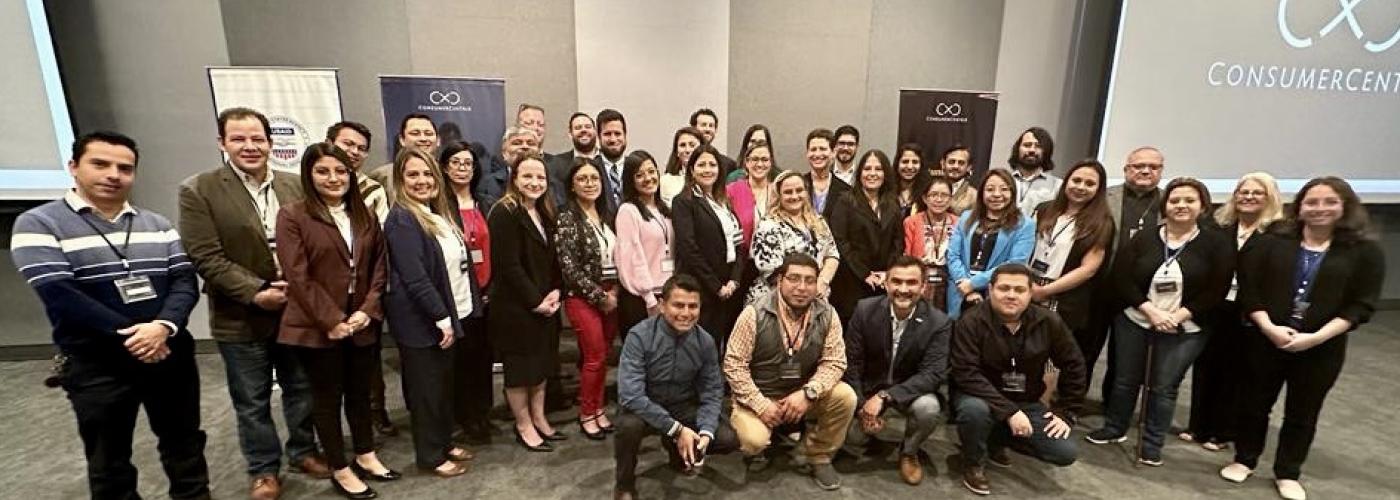
In February 2023, USAID, ConsumerCentriX, and Digital Frontiers, a USAID program run by DAI, co-hosted a workshop to identify gaps and opportunities in the access and use of digital financial services by low-income and marginalized populations, with a particular focus on women. The event brought together more than 50 representatives from the financial sector, including both public and private institutions. As a signal of local government buy-in, a senior representative from the Ministry of Economy opened the event, which also featured a breadth of representatives from regulatory bodies, development organizations, financial services providers, NGOs, and mobile network operators.
The workshop included a review of the latest financial inclusion and digital financial services advancements in Guatemala, an assessment of the enabling environment for further digital financial inclusion, and highlights from customer market research conducted to understand the financial lives and opportunities to offer digital financial services to vulnerable populations. The workshop enabled representatives from the public and private sector to work together to design a digital financial product based on market research findings. Attendees were enthusiastic about this and took into consideration the various elements needed to make a product or service a success—everything from regulation to marketing to the solution itself. This type of partnership is essential for holistic product design and market understanding because it incorporates all facets of the market for a common outcome and fosters deeper collaboration between key sectors of the industry. The benefits of increased collaboration to build inclusive digital financial services in Guatemala are manifold.
This starts with ensuring that everyone is able to easily obtain formal identification, which is managed by the government and typically required for opening a bank account or an online financial services account. According to a 2018 World Bank ID4D survey, 26 percent of the Guatemalan population aged 18+ do not have an identity card. It is up to the public sector to alleviate this simple barrier for access to financial services and products for many Guatemalans.
Second, the public and private sectors can help to increase financial literacy and awareness among the population. Many Guatemalans are still unfamiliar with the array of digital financial services available to them—from mobile money apps to accessing their online bank account—and may be understandably hesitant to adopt them. It is important that financial services be offered in Spanish and the 24 various indigenous languages to correct misconceptions. Government agencies and financial service providers can work together to develop educational campaigns and outreach programs that increase awareness and build trust.
Finally, collaboration between the public and private sectors can help to drive innovation. The private sector is better positioned to move quickly to respond to the unique needs of the Guatemalan market. This can include building new payment systems, digital lending platforms, and other services that increase access to financial services for everyone.
Collaboration between the public and private sectors in financial services can also be mutually beneficial. Increasing access to digital financial services in Guatemala will bring it in line with regional neighbors and enable financial service providers access to left-behind segments of the Guatemalan population. Ultimately, this work removes barriers to entry into the financial system, increases financial literacy, and drives innovation which serves Guatemalans.
Photo Credit: USAID By John Dorrett, Digital Finance Team, USAID